Frequently Asked Questions About CIPP Liner Testing
Why Quality Verification Is Your Best Insurance Policy
Imagine the scenario: the project is complete, the site is cleaned, and the client is ready for handover. Suddenly, the inspector requests the comprehensive documentation package for your cured-in-place pipe (CIPP) installation. If your documentation is disorganized or missing key validation data, a routine project can quickly spiral into a costly liability.
Quality verification is not just a regulatory hurdle; it is your ultimate insurance policy against warranty claims and reputational damage. At Total Drain Solutions, we see this every day in the field: the best trenchless work is not only about installing a liner, but about proving the system was inspected, cleaned, cured, and verified correctly. This is especially important for property managers, commercial facilities, municipalities, HOAs, and owners comparing CIPP pipe lining services for long-term pipe rehabilitation.
By shifting the narrative from installation as a commodity to verification as a core professional competency, contractors can distinguish themselves in a crowded marketplace. This guide provides the technical roadmap for ensuring every CIPP liner you install meets the highest industry benchmarks.
Moving Beyond Installation: The Contractor’s Liability and Reputation
The modern pipe rehabilitation industry is unforgiving. A single failure in a CIPP system can lead to catastrophic infrastructure collapse, expensive re-excavations, and a permanent stain on your professional record. When you transition from simply “installing a liner” to “verifying a structural asset,” you move from being a vendor to being a partner.
Your team must view every project as a potential forensic case. If a failure occurs years later, your ability to produce detailed cure logs, material certificates, and verified test results will be the difference between a minor warranty adjustment and a business-ending lawsuit. This is one reason our experienced pipe rehabilitation team places such a strong emphasis on inspection, documentation, and quality control before, during, and after trenchless work.
Defining Success in Cured-in-Place Pipe (CIPP) Rehabilitation
A successful CIPP installation requires uniform wall thickness and seamless integration with the host pipe, avoiding critical defects like folds, sags, or resin voids.
Success in CIPP rehabilitation is defined by the seamless integration of a new, structural pipe within an existing, compromised host pipe. Whether you are addressing root intrusions in a residential line or structural degradation in a large-diameter municipal main, the goal is consistent performance. Success is reached when the installed product meets the design criteria—such as wall thickness, flexural modulus, and chemical resistance—without leaving behind defects like sags, folds, or resin voids.
A successful project is not just one that passes the first inspection; it is one that performs reliably for its intended service life. For commercial and multi-unit properties, this often means coordinating commercial plumbing and trenchless rehabilitation projects with proper access planning, video documentation, and clear handover records.
Real-Time Quality Control: Monitoring the Cure Cycle
The Importance of Accurate Cure Logs (Temperature and Pressure)
The cure cycle is the most critical phase of the installation. If the resin does not achieve a full, uniform cure, the resulting CIPP liner will be brittle, prone to failure, and structurally inadequate. Maintaining accurate logs is mandatory. You must track the internal temperature and pressure of the system throughout the entire process.
These logs provide the evidence needed to prove the liner reached the required exothermic reaction threshold. Without this data, you have no way of verifying that the material attained its design strength. For property owners, this is why a complete repair process should begin with accurate diagnostics such as sewer camera inspection services and continue through final testing after the liner is cured.
UV-Cured Fiberglass vs. Heat-Cured Felt: Monitoring Differences
The technology utilized dictates the monitoring strategy. Heat-cured systems rely on consistent steam or hot water temperatures, necessitating constant monitoring of inlet and outlet temperatures to prevent under-curing at the far end of the pipe. Conversely, UV-cured fiberglass systems require precise control over the pull speed and light intensity.
When working with UV technology, monitoring the light array’s output is paramount. Understand that these two methods are not interchangeable in their monitoring requirements; failing to adapt your QA process to the specific product type will lead to inconsistencies.
Utilizing Internal Sensors to Prevent Resin Voids and Incomplete Curing
Modern CIPP installations benefit greatly from internal sensor technology. Placing sensors along the length of the liner allows the team to monitor conditions where it counts—at the interface between the liner and the host pipe. This practice is essential for identifying cold spots or pressure drops that lead to resin voids.
Resin voids are significant structural weaknesses that can harbor future root intrusions. By using active sensor data, your team can make real-time adjustments to steam or water pressure, ensuring a dense, uniform final product. Before lining, the pipe should also be properly cleaned with methods such as hydro jetting services, professional pipe cleaning, or drain cleaning services, depending on the condition of the line.
Navigating the Standards: Essential ASTM Benchmarks for Contractors
ASTM F1216 vs. ASTM F1743: Understanding the Foundational Standards
ASTM F1216 is the standard practice for the rehabilitation of existing pipelines by the inversion and curing of a resin-impregnated tube. It is the backbone of the industry. ASTM F1743 provides similar guidance but specifically covers the pulled-in-place installation method.
Knowing the distinction between these two is vital, as the specific site requirements and inversion pressures vary based on the method chosen. Adherence to these standards is not optional; it is the baseline for legal and structural compliance. When a pipe is not a good lining candidate, related options such as trenchless sewer repair services may need to be considered instead.
ASTM D5813: Standards for Wastewater and Pressure Pipe Liners
ASTM D5813 outlines the minimum requirements for the materials used in the manufacture of CIPP. This standard ensures that the resin and the felt or fiberglass matrix are chemically and physically compatible with the environment they will inhabit.
When selecting a product, ensure the manufacturer provides certifications that their materials comply with D5813. Relying on inferior resins is a shortcut that inevitably leads to failures in aggressive wastewater environments.
ISO Standards and Greenbook Testing: When They Apply
While ASTM standards dominate the North American market, international projects or specific municipal contracts may require ISO or “Greenbook” standards. These regional or international benchmarks often introduce stricter requirements for environmental impact and material longevity.
Familiarize your team with the specific local mandates of the jurisdiction you are working in. Being prepared for these variations shows your customer that you have the expertise to navigate complex regulatory landscapes.
Physical Property Testing: The Field-to-Lab Workflow
Proper Coupon Extraction: Sampling from Manholes and Termination Points
The integrity of your lab results depends entirely on the sample. Proper coupon extraction requires taking a representative sample from the inversion point or a designated tailpiece. This sample must be handled with the same care as the actual liner in the ground.
Avoid contamination, ensure the coupon is marked clearly, and store it in conditions that do not alter its physical properties. A sample that is poorly extracted or damaged during transit is useless, forcing the team to re-test, which adds unnecessary cost and project delay.
Chain of Custody: Ensuring Sample Integrity from Site to Lab
The “Chain of Custody” is the documented trail that proves a sample was not tampered with. This documentation must include the date, time, location, and the names of the individuals handling the sample.
A robust chain of custody is your primary defense if a third-party testing facility reports an unexpected failure. If the process is documented correctly, you can definitively trace whether the issue was a material defect, an installation error, or a handling error during the testing phase.
ASTM D790: Measuring Flexural Strength and Modulus
ASTM D790 is the standard test method for flexural properties of unreinforced and reinforced plastics. For CIPP, this test verifies that the liner is stiff enough to withstand the external groundwater and earth pressures it will face.
Achieving the required flexural modulus is non-negotiable. If your coupons consistently fall short of the design strength, you must immediately revisit your curing parameters and resin mixing ratios.
ASTM D638: Verifying Tensile Properties for Structural Capacity
While flexural properties are key for external loads, ASTM D638 measures tensile properties, providing data on the material’s ability to stretch and maintain structural integrity under stress.
This test is a critical component of the structural verification package. It provides the customer with the peace of mind that the product is as strong as the original engineering design anticipated.
Wall Thickness Verification: Meeting Design Specifications
Wall thickness is the most visible metric of structural capacity. Using precision calipers, verify that the installed liner matches the specified wall thickness at multiple points, including the entry and exit manholes.
Deviations here are often caused by improper inversion pressure. A liner that is too thin will fail to meet structural requirements, while one that is too thick may restrict flow.
Visual Inspection: The Post-Installation CCTV Survey
Video Pipe Inspection Technology: Getting the Best Resolution
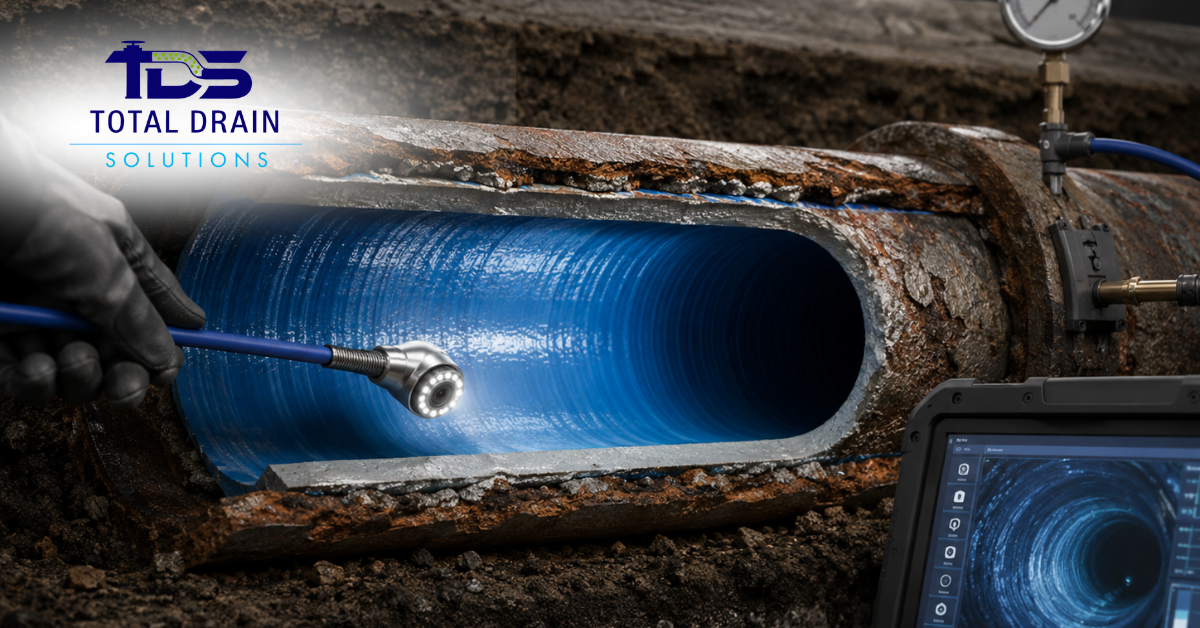
Post-installation CCTV is your primary visual confirmation. Use high-definition, pan-and-tilt cameras to capture every inch of the new liner. The goal is to identify any anomalies before they become problems. If your video quality is low, you risk missing critical defects that will invalidate your warranty.
For Florida properties, Total Drain Solutions supports this process through CIPP pipe lining in Sarasota, FL and surrounding service areas where existing access points, cleanouts, and pre-line inspections help determine whether trenchless repair is appropriate.
Defect Coding Systems: Standardizing What You See
Standardize your inspection reports using industry-recognized defect coding systems. This allows for clear communication between the installation team, the engineering consultant, and the customer.
By using a standardized language, you avoid ambiguity and ensure that everyone understands the exact state of the rehabilitated pipe. Industry training resources such as NASSCO’s PACP, LACP, and MACP programs are designed to support consistent pipeline, lateral, and manhole condition assessment terminology.
Identifying Common Anomalies: Sags, Folds, and Fins
Watch for sags, where the liner has pooled in a low point; folds, which can create turbulence; and fins, which are sharp protrusions of excess resin. While some minor anomalies may be structurally acceptable, others, such as significant sags in a gravity line, can impede flow or cause debris accumulation.
Addressing these during the final inspection is far cheaper than correcting them after the system is live. For customers dealing with recurring backups, slow drains, or root intrusion, our Sarasota drain and sewer services often begin with camera diagnostics before any repair recommendation is made.
Evaluating Resin-Rich Areas vs. Resin Voids
Resin-rich areas are often an aesthetic issue, but resin voids are structural hazards. Identify any areas where the liner has failed to bond properly or where air pockets have formed.
These voids are vulnerable points where groundwater can infiltrate or where the liner might collapse over time.
Inspecting Reinstated Laterals and End Seals
After the main liner is installed, lateral reinstatements must be inspected for precision. Ensure the cutter did not damage the main liner and that the junction is watertight.
If roots were the original problem, the lateral seal is the most vulnerable point for future root intrusions. Inspect these junctions carefully to confirm the system remains closed to external elements. Where needed, follow-up sewer camera inspection in Sarasota can document the final condition of the line.
Secondary Testing Methods: Beyond the Basics
Pressure Testing for CIPP: Air vs. Hydrostatic Methods
Air testing is common for small-diameter lines, but for large-diameter or high-pressure systems, hydrostatic testing is the gold standard. Choose the method that best aligns with the specific performance requirements of the pipe.
Always ensure the pressure test is performed with a calibrated gauge that provides a digital readout for your reports.
Flow Capacity Verification: Ensuring No Post-Installation Restrictions
Post-installation flow testing confirms that the new CIPP liner has not significantly reduced the hydraulic capacity of the pipe. By measuring the flow rate and comparing it to pre-installation levels, you can verify that the project has successfully restored the functionality of the system.
This is especially important when CIPP work follows heavy buildup removal. In those cases, hydro jetting in Sarasota or other pre-line cleaning methods may be used to restore flow before the liner is installed and tested.
Flexural Creep Testing (ASTM D2990) for Long-Term Performance Needs
For critical infrastructure, ASTM D2990 creep testing provides data on how the material performs under constant load over time. While not required for every residential job, for large municipal projects, this data is essential for long-term maintenance planning and provides a higher level of assurance to the customer.
Public agencies and utility teams may also use broader resources, including the EPA’s sanitary sewer overflow technical reports and materials, when evaluating collection system operation, maintenance, and rehabilitation planning.
Troubleshooting Failures: A Decision Matrix for Contractors
Diagnosing the Root Cause: Material Failure vs. Installation Error
When a test fails, do not panic. Use a decision matrix to systematically isolate the problem. Was the resin batch mixed incorrectly? Was the cure temperature insufficient? Was the host pipe’s condition misjudged?
By reviewing your cure logs, material certificates, and video evidence, you can pinpoint the root cause. If the material failed despite perfect installation, the product manufacturer is responsible. If the installation parameters were violated, the responsibility rests with your team.
For property owners, the lesson is simple: the contractor should not only repair the line, but also explain how the line was inspected, cleaned, installed, cured, and verified. For Sarasota customers, related services such as professional drain cleaning in Sarasota and pre-repair inspection can help identify whether the issue is only a blockage or a structural pipe problem.
What This Means for Sarasota, Las Vegas, and Commercial Properties
CIPP liner testing matters anywhere pipe performance matters, but it becomes even more important in high-use plumbing systems. Restaurants, hotels, condos, HOAs, hospitals, apartment communities, and industrial facilities cannot afford repeated backups, unclear documentation, or unverified pipe repairs.
Total Drain Solutions provides pipe lining and inspection support across Florida and Nevada, including trenchless pipe lining in Las Vegas, Las Vegas drain and sewer services, and related inspection and cleaning options for properties with recurring sewer or drain problems.
When the job requires diagnostics before repair, our team can support the process with sewer camera inspection in Las Vegas, hydro jetting in Las Vegas, or location-specific drain cleaning when the issue begins with blockage, buildup, or poor flow.
Closing Thoughts
Testing and verification are the hallmarks of a professional CIPP contractor. By strictly adhering to ASTM standards, meticulously maintaining cure logs, and implementing a rigorous “field-to-lab” chain of custody, you transform your installation process into a high-value asset.
This commitment to quality does more than just meet contract requirements; it protects your bottom line, elevates your reputation, and ensures the long-term success of every system you rehabilitate. As you move forward, standardize these practices across your entire team. Use the data you gather to foster better relationships with your customers, providing them with the support and documentation they need to trust your work for decades to come.
Quality verification is not an added cost; it is the foundation of your future business. If your property needs pipe inspection, cleaning, trenchless pipe lining, or CIPP repair planning, contact Total Drain Solutions to schedule a professional evaluation.
Related Posts
- CIPP Pipe Lining: The Step-by-Step Process
- CIPP Pipe Lining Myths That Mislead Property Owners
- What Are Plumbing Cleanouts and Access Points?
- Hydro Jetting vs. Snaking: Which Drain Cleaning Method Works Best?
Frequently Asked Questions About CIPP Liner Testing
CIPP liner testing is the process used to confirm that a cured-in-place pipe liner was installed, cured, and inspected correctly. This can include reviewing cure logs, checking temperature and pressure data, verifying wall thickness, inspecting the finished liner with a sewer camera, and testing physical properties when required. The goal is to make sure the new liner is structurally sound and ready for long-term use.
The curing time for a CIPP liner depends on the pipe size, liner material, resin system, curing method, and site conditions. Some liners are cured with hot water or steam, while others use UV light. What matters most is not just the time it takes to cure, but whether the liner reaches the proper temperature, pressure, and curing conditions required by the product specifications.
Common CIPP liner defects include folds, wrinkles, sags, fins, resin voids, incomplete curing, poor bonding, incorrect wall thickness, and issues around reinstated laterals or end seals. Some minor visual irregularities may not affect performance, but larger defects can restrict flow, trap debris, allow infiltration, or reduce the structural value of the repair. This is why post-installation CCTV inspection and proper documentation are so important.
A properly designed and installed CIPP liner can last for decades, with many systems designed for a long service life. Actual performance depends on the condition of the host pipe, quality of installation, resin selection, curing process, wastewater conditions, and ongoing maintenance. Testing and verification help confirm that the liner was installed correctly and has the best chance of performing as intended.
CIPP pipe lining can be worth it when the existing pipe is still a good candidate for trenchless repair. It can reduce excavation, limit property disruption, and restore pipe function without replacing the full line. However, it is not the right solution for every pipe. Severely collapsed, misaligned, or poorly prepared pipes may need a different repair approach. A sewer camera inspection and proper testing process help determine whether CIPP is the right option.
Tags:
Schedule Service
Our Services
Benefit From Our Complete Range of Services Today
At Total Drain Solutions, we get the work done right the first time. Each member of our team works with the highest level of integrity. By using the best technology and processes along with proven craftsmanship, we fully restore your piping system to its original condition. For more information or to get an estimate, contact our team today.